Hello,
So technically the oil treatment you mention is a finish, nominally protective with some darkening of the wood as a byproduct, and distinct from staining which is strictly adding a color that will remain more or less translucent depending on how resistant the pigment is to light and other influences.
But I guess the point is to have an effect on the surface appearance of the wood. It's understandable once you have seen the wood freshly milled and then watched the colors and patterns fade in a short time after that. We want to maintain that striking effect of freshly exposed wood.
My approach is this. There are basically three stages the wood goes through in terms of outward appearance, if left alone, and in my experience this is always the case no matter what function the wood would be put to, that's a bit of an exaggeration though. These are my own characterizations - Newly surfaced, initially employed, maturation.
This initial employment stage is the most precarious. This is after the often bright coloration and figuration have faded and the surface has started being subjected to use and handling and general exposure to the cruel world. It can start to look bad even. Patience here is the best approach and the knowledge that this is normal and natural and most importantly will pass.
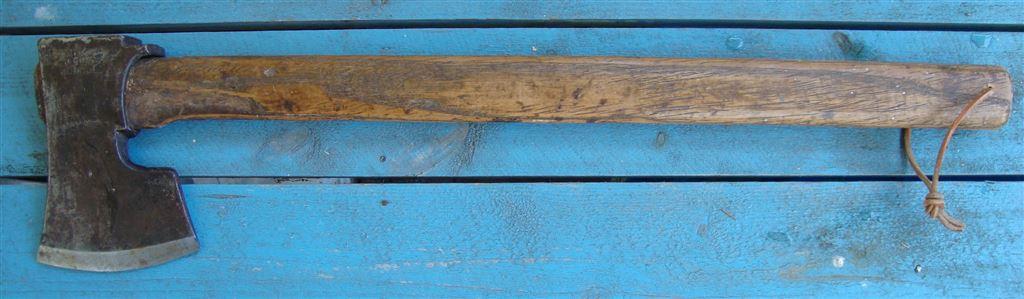
Mostly now is when people convince themselves to treat the surface in some way or other, but left to time the wood will continue to mellow and even transform, stains and water marks will fade, dust will gather in the spaces between and merge into a general sort of coating or stain we call patina and the wood will be again something different in appearance than it initially was maybe even more beautiful than when freshly cut, and more importantly when compared to an artificial surface treatment, will continue to improve.
The real question is, do you have the patience?
Greetings,
Don Wagstaff
Last edited by D Wagstaff; 04/28/12 09:54 AM. Reason: internal/external